

Why do we get pimples on our backs, and how can we get rid of them?
For some people, acne also manifests itself on the back and this can become a real complex and a daily ordeal. This is known as "bacne".


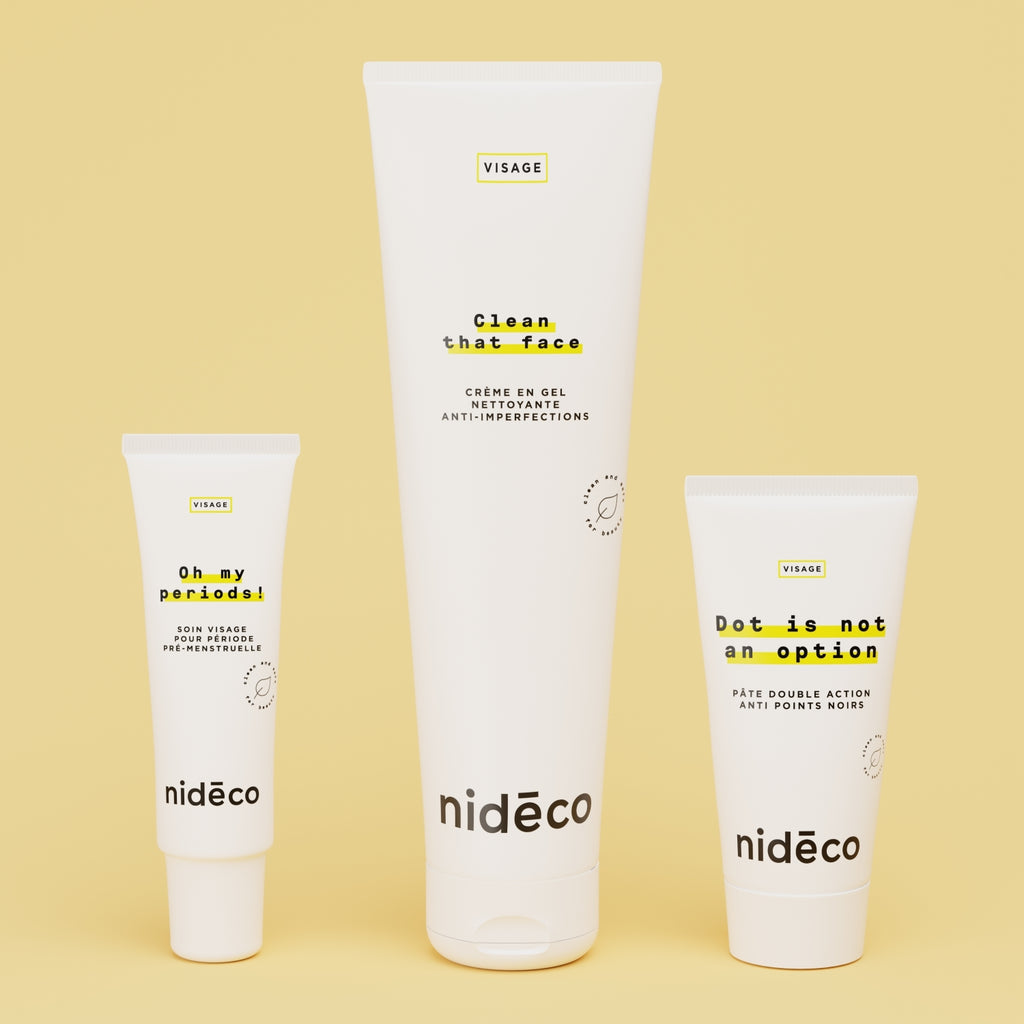
Clean that face
Daily Cleansing Cream
Clean that face
€15.90
€19.90
4.9/5 based on 547 reviews
Free shipping on orders of €60 or more
Gifts priced at €90 and €130 to complete your routine.
Discover this treatmentYou can feel them under your T-shirt, and you catch a glimpse of them when you turn around in front of the mirror: pimples on your back are common—and often stubborn. Your back is covered, it sweats, it rubs against your clothes, and it’s exposed to conditioner residue every time you shower.
Good news: In most cases, a gentle, regular routine can clear them up, along with a daily body treatment containing lactic acid. But first, you need to know what type of pimple you have. Here’s how to identify it and what to do.
Key Takeaways
- Most pimples on the back are acne, also known as back acne: pores clogged with sebum and dead skin cells that become inflamed.
- Factors that make it worse: sweat left on the skin, friction (from backpacks, sports bras, or synthetic fabrics), residue from hair products, and hormonal fluctuations.
- Not all bumps on the back are acne: folliculitis, yeast folliculitis, and keratosis pilaris are not treated the same way.
- The winning trio: gentle cleanser, gentle chemical exfoliation, light moisturizer.
- No exfoliating scrubs and no rough handling: both of these can cause inflammation and leave marks.
- If you have deep, painful pimples, or many of them, or if they’re still there after two to three months of your usual routine, see a doctor.
Why do we get pimples on our backs?
The back is one of the areas with the highest concentration of sebaceous glands, along with the face and chest. When sebum mixes with dead skin cells, it clogs the pore. A type of skin bacteria, Cutibacterium acnes, multiplies there, and the pore becomes inflamed: this is exactly the same mechanism as facial acne.
Back acne is far from rare. In a study published in 2007 in the Journal of Drugs in Dermatology (Del Rosso et al.), 52% of the 696 patients treated for facial acne also had acne on their torso. Along with the chest and shoulders, the back is one of the areas most commonly affected byacne on the rest of the body.
Why is it mainly in the upper back?
The upper back, between the shoulder blades and on the shoulders, has the highest concentration of sebaceous glands. This is also where shoulder straps run, where a backpack rests, and where conditioner runs down. Pimples that cluster in this area are therefore almost always related to acne or friction.
Sweat and friction
Sweat isn't dirty in and of itself. The problem is sweat that remains on the skin under fabric that rubs against it: the skin becomes macerated, the pores become irritated, and the follicles become inflamed. Exercise, backpacks, synthetic T-shirts, and seatbacks in the summer—it's the same mechanism that causes exercise-related pimples on the buttocks.
Hair Care Products
Conditioner, hair masks, and hair oils run down your back when you rinse them out. They leave behind an oily film that clogs your pores. The simplest tip: Wash your hair first, then your body, and be sure to rinse your back thoroughly last.
Hormones and Stress
Androgens stimulate sebum production. That’s why back acne often appears during puberty, before your period, during pregnancy, or when you stop taking birth control pills. If your breakouts follow your cycle, our article onhormonal acne will help you understand what’s going on.
Stress alone doesn't cause pimples. However, it can make an existing breakout worse, which is why you might feel like you have "stress pimples" on your back during busy periods.
Other factors
A family history of the condition, sheets that aren't changed often enough, or certain medications—such as corticosteroids—can also be factors. In the latter case, you should talk to your doctor rather than stopping treatment on your own.
What kind of pimple do you have on your back?
Before choosing a treatment, you need to know what you're treating. These five cases cover the vast majority of back acne.
| Type | What it looks like | What to Do |
|---|---|---|
| Back Acne (Backne) | Blackheads, red pimples, pustules, and sometimes deep lumps. Especially on the upper back. | Anti-blemish routine: gentle cleansing, chemical exfoliation, moisturizing. |
| Bacterial folliculitis | Small red bumps centered around a hair, sometimes with a white tip, in areas where the skin rubs. | Minimize friction and maceration; practice gentle hygiene. Seek medical advice if the condition spreads. |
| Yeast folliculitis | Small, identical, itchy bumps—often appearing after being in the heat or exercising—on the upper back and chest. | Does not respond to standard acne treatments: antifungal treatment as prescribed by a doctor. |
| Keratosis pilaris | Small, rough, skin-colored bumps that are painless and most commonly found on the backs of the arms. | Gentle exfoliation and regular moisturizing. |
| Cyst or Boil | A large, isolated, painful lump that is sometimes warm to the touch. | Never drill. Consult a professional. |
Both forms of folliculitis are often mistaken for acne. The same is true for keratosis pilaris, which gets worse if you scrub too hard.
How can I get rid of back acne?
Clean Without Stripping
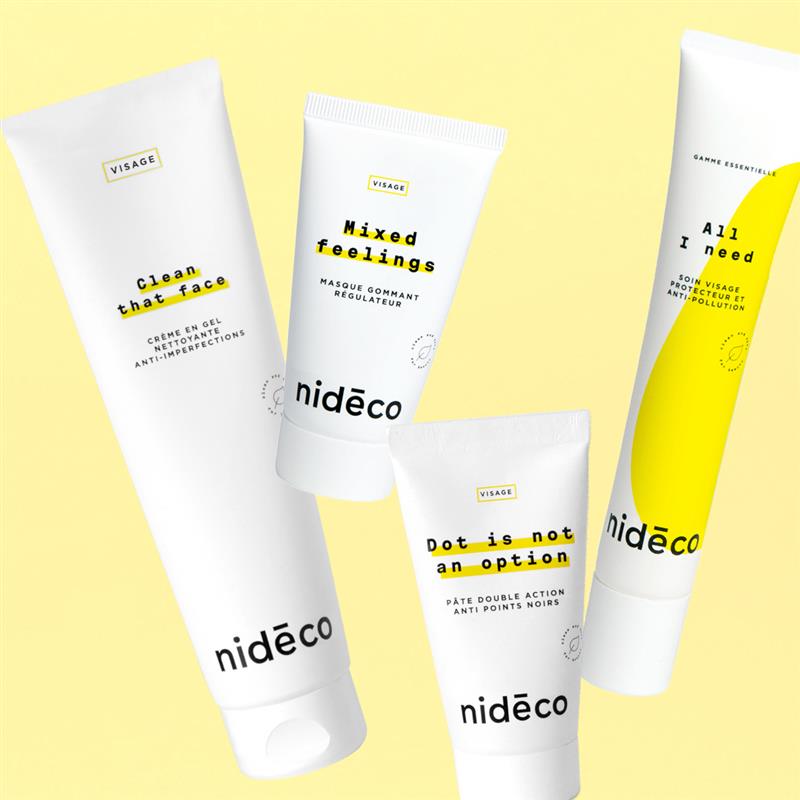
A gentle cleanser, free of harsh soaps, used once a day and always after exercising. A product that strips the skin causes it to produce even more sebum. Our guidelines for cleansing acne-prone skin also apply to the back. The Clean That Face gel, designed for the face, can also be used on this area.
Exfoliate with an acid rather than a granular scrub
Scrub particles and horsehair gloves cause micro-lesions and fuel inflammation. It’s better to use a gentle chemical exfoliant: salicylic acid unclogs pores, while lactic acid removes dead skin cells while being gentler on sensitive skin. Here are all our tips for exfoliating without causing irritation.
Moisturize, even if you have acne-prone skin
Dehydrated skin is less able to protect itself and heals more slowly. A lightweight, non-comedogenic formula is all you need. If you work out, here’s how to moisturize your skin after exercising without clogging your pores.
Benzoyl peroxide, as a booster
As a cleansing gel that you leave on for a few minutes before rinsing, it helps with inflamed pimples. It can be drying, so start by using it every other day. Be careful—it can discolor towels and T-shirts.
Do not touch
Popping or picking at a pimple on your back pushes the inflammation deeper into the skin. That's what causes brown spots and scars that take months to fade.
A Daily Routine to Prevent Back Acne
Four consistent habits over time are better than a miracle product. Wait several weeks before judging: the skin needs time to renew itself.
- In the shower: hair first, then body; use a mild cleanser and lukewarm water.
- When drying: pat the towel instead of rubbing.
- Treatment: Apply a lactic acid treatment to the back once a day. Fesse Time combines lactic acid, purifying peppermint, jojoba, and shea butter in a formula that is 99% naturally derived and formulated in France. It can be used on the buttocks, back, and arms for children ages 3 and up.
- Textiles: cotton for everyday wear, breathable technical fabrics for sports, T-shirts changed immediately after exercise, and sheets washed regularly.
In the summer, applying sunscreen to your exposed back prevents old tan lines from getting darker.
The skincare step to add to your routine
Applied once a day to the back after showering, it helps the skin shed dead cells and stay clear. The same tube can also be used on the buttocks and arms.
What Fesse Time Users Have to Say
Several customers use Fesse Time on their backs as well as on their buttocks. Their reviews, posted on the website:
"I use it on my buttocks, but also on my back, because I get acne there, too. Fesse Time has really helped me reduce breakouts in both areas!" Morgane
"I've been struggling with a problematic back for years—breakouts, scars... I wear a corset, and since I started using Fesse Time, it's been much better! Far fewer breakouts, and my skin is softer and smoother." Cécile
When should you see a doctor for pimples on your back?
Make an appointment with your doctor or a dermatologist if:
- The bumps are deep, painful, and feel like lumps under the skin;
- they leave scars or marks;
- the outbreak is sudden or spreads rapidly;
- It itches a lot, which could be a sign of yeast folliculitis;
- a rash becomes hot and red, or is accompanied by a fever;
- Nothing changes after two to three months of sticking to the routine.
The doctor can then prescribe appropriate treatments: topical retinoids, antibiotics, antifungals for yeast infections, or isotretinoin for severe forms of acne.
What now?
- Do you have pimples on your butt or arms, too? The entire line is in the Acne & Blemishes selection.
This article is published for informational purposes only; it is not a substitute for medical advice.