

The effects of stress on our skin: how to combat them?
Stress is one of our skin’s biggest enemies, affecting both the face and the body. Whether it’s due to work, relationships, or the ups and downs of daily life, stress can trigger a variety of skin reactions: redness, sweating, breakouts, pe…

Rush Hour
Fresh & balancing deodorant care
Rush Hour €13.90
4.3/5 based on 98 reviews
Free shipping on orders of €60 or more
Gifts priced at €90 and €130 to complete your routine.
Discover this treatmentStress is one of our skin's greatest enemies, affecting both face and body. Whether it's due to work, relationships or the vagaries of daily life, stress can lead to a multitude of skin reactions: redness, perspiration, imperfections, dry or oily skin, itching, and so on.
To counter these effects, it's essential to adopt a specific skincare routine to help the skin resist aggression.
Stress affects our skin
When we're stressed, the body releases hormones like cortisol and adrenaline, which can have a direct impact on the skin. Here are the most common effects of stress on the skin:
- Excess sebum: under the effect of cortisol, the skin produces more sebum, resulting in oily skin prone to imperfections, especially on the face.
- Dehydration: stress disrupts water balance, leaving skin dry and prone to irritation.
- Weakening of the skin barrier: stress makes the skin more vulnerable to external aggression, which can lead to redness, itching and inflammation.
- Premature aging: free radicals released during stress can accelerate skin aging, causing wrinkles, fine lines and loss of elasticity.
- Excessive perspiration: stress can lead to increased perspiration, which can aggravate certain blemishes.
How to combat the effects of stress on the skin
Fortunately, it's possible to mitigate these effects with an adapted, soothing skin care routine. Here are the essential steps to help your skin better resist stress, from morning to night.
1. Use a suitable body deodorant
Stress can lead to excessive perspiration, even outside periods of physical activity. Choose a deodorant that combines effectiveness and gentleness, like ourré déo Rush hourto avoid irritation while controlling perspiration and odours. Deodorants enriched with soothing and moisturizing ingredients are ideal for sensitized skin, often more reactive in times of stress.
2. Apply an anti-stress balm with essential oils
Essential oils have soothing properties that help calm stress and its effects on the skin. An anti-stress balm enriched with essential oils can be gently massaged into the neck, solar plexus and/or wrists to relieve tension and restore softness to the skin. This wellness gesture also helps to rebalance the nervous system, creating a moment of relaxation in the daily routine. Discover I'm a survivorour anti-stress sos balm.
3. Moisturizing your face in the morning: a protective barrier against stress
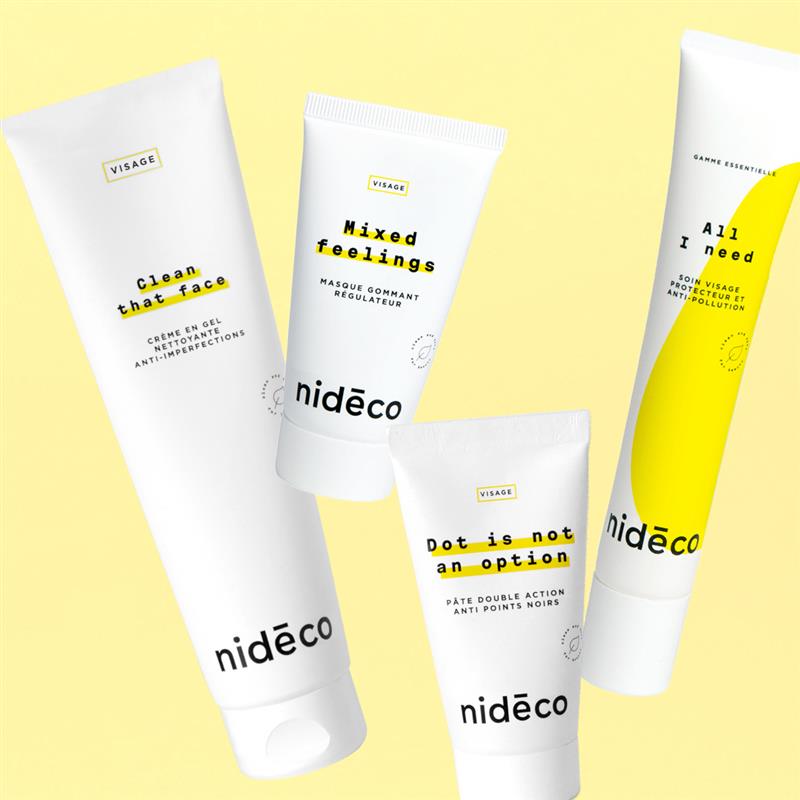
Dehydration is one of the first signs of skin stress. A daytime facial moisturizer is essential to maintain hydration and protect the skin from external aggressors. Choose lightweight creams such as All I needour anti-pollution protective care, which provides intense hydration without overloading the skin.
4. Moisturize your face in the evening: a regenerating treatment to repair the skin
In the evening, skin regenerates naturally. Using an antioxidant-rich night moisturizer helps repair the damage caused by the day's stress. The regenerating ingredients in Night must go on promote collagen production and improve skin elasticity, while nourishing active ingredients such as jojoba oil and apricot oil help skin to recharge its batteries.
5. Apply a soothing, revitalizing mask: a weekly relaxation treatment for yourself
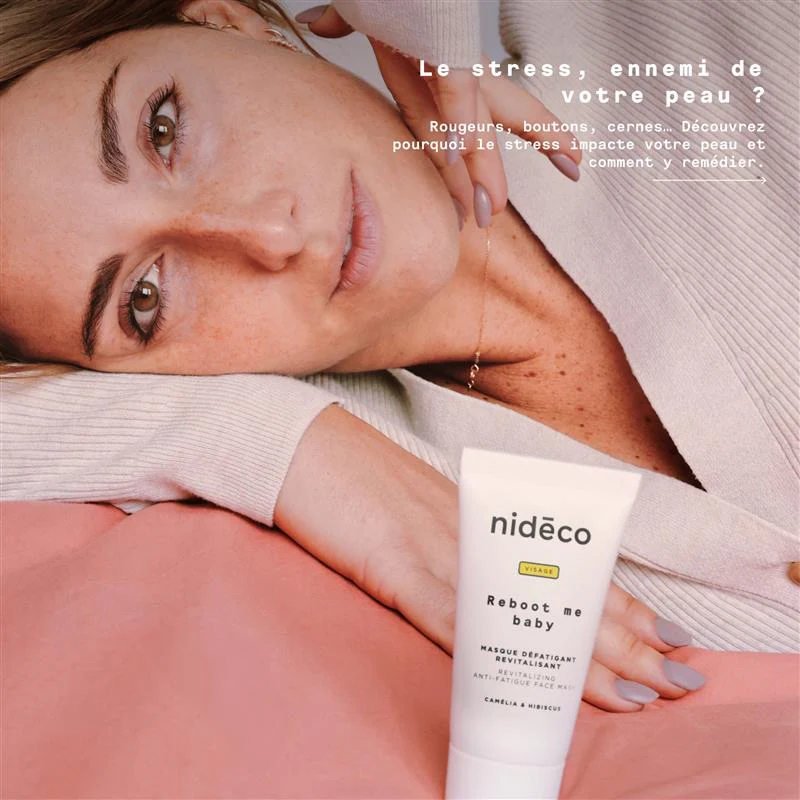
Once a week, treat yourself to a moment of relaxation with a soothing, revitalizing face mask. These masks help to calm redness and inflammation, while restoring the skin's moisture content. the latest addition, Reboot me babyour relaxing and revitalizing mask, also helps relax facial muscles often contracted by stress.
6. Proper make-up removal: a crucial step for clear, soothed skin
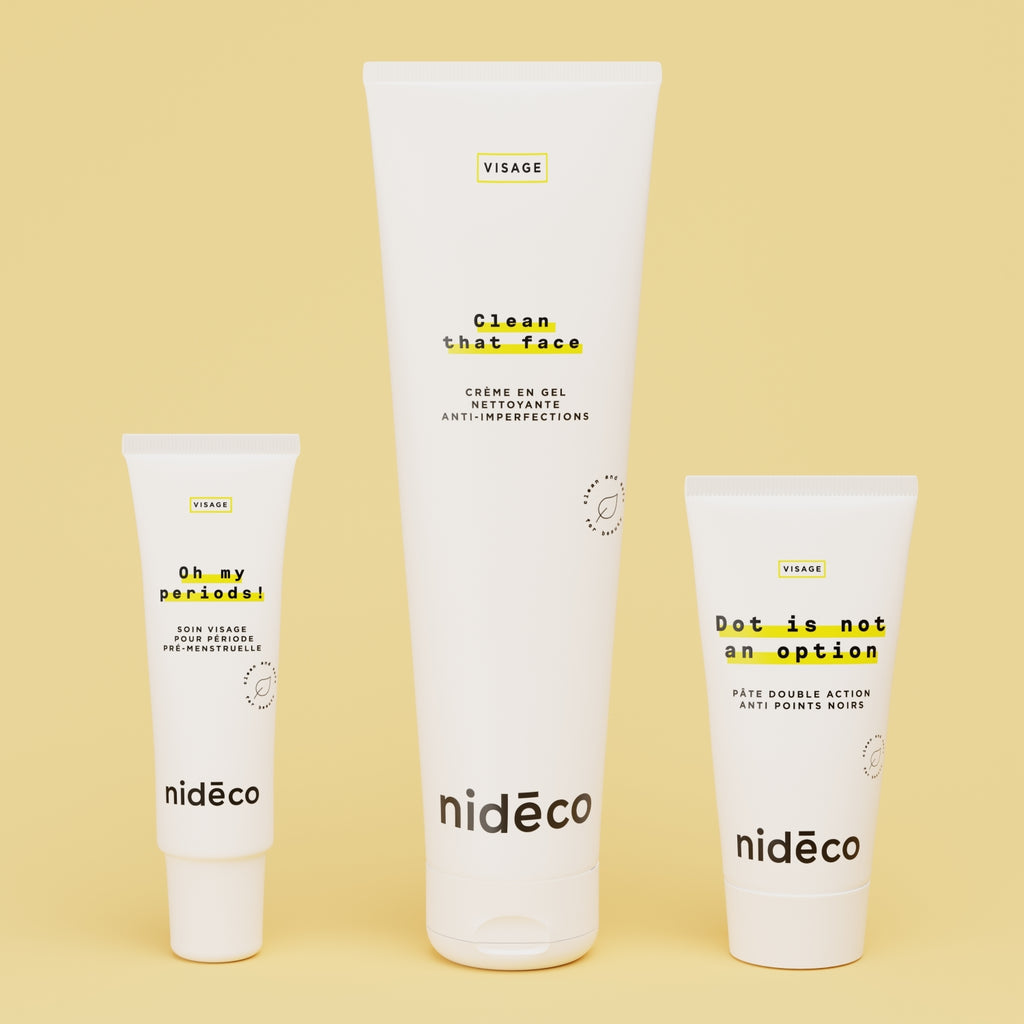
Stress can make the skin more sensitive to impurities and encourage the accumulation of toxins. To avoid irritation, it's essential to cleanse the skin thoroughly every evening with a make-up-removing oil such as End of the show which dissolves make-up and impurities without drying the skin. The oil also helps eliminate excess sebum produced by stress. Follow with a gentle, sulfate-free facial cleanser like Clean that Faceso as not to aggress the skin.
Other tips to reduce the effects of stress on the skin
To maximize the benefits of this routine, a few complementary habits can help soothe the skin:
- Breathe deeply and practice meditation: a few minutes of deep breathing helps calm the nervous system, which can reduce the impact of stress on the skin.
- Eat a diet rich in antioxidants: foods rich in vitamins A, C, E and omega-3 (such as red berries, nuts and oily fish) protect the skin against stress-induced free radicals.
- Moisturize: water is crucial for maintaining skin elasticity. Drink regularly throughout the day for more supple, resistant skin.
- Avoid touching your face: under stress, it's tempting to touch or rub your skin, but this can aggravate imperfections and inflammation.
In summary
The effects of stress on the skin are very real, but an adapted beauty routine can help prevent and minimize these inconveniences. By using the right care products, such as a moisturizing deodorant, an anti-stress balm, day and night facial moisturizers, a revitalizing mask, and by practicing proper make-up removal, we can help soothe the skin and restore its vitality.
A daily beauty routine can become a moment of well-being, for healthier skin and a more serene mind.