

Strawberry skin on the face: how to get rid of it?
Find out how to get rid of strawberry skin on your face and body. Causes, skincare routines, ingredients and suitable products: Recovering smooth skin


Healthy Skin Routine
For healthy, blemish-free skin
Healthy Skin Routine
€74.80
€93.60
4.8/5 based on 13 reviews
Free shipping on orders of €60 or more
Gifts priced at €90 and €130 to complete your routine.
Discover this treatment🍓 The strawberry skin is a skin condition that can be both annoying and difficult to treat for sufferers. This skin condition, which dermatologists also refer to as keratosis pilarisoften manifests itself as small red pimples or blackheads reminiscent of strawberry seeds. It mainly affects the body, particularly the legs, but can also appear on the face. This article will guide you on how to recognize and treat this condition for smoother, more radiant skin.
What is strawberry skin on the face?
The keratosis pilaris is a common condition that occurs when keratin (a natural skin protein) accumulates in the hair folliclescreating small, visible spots. It occurs less frequently on the face, but can still affect people with sensitive skin or a genetic predisposition.
👉 Unlike body keratosis pilaris, which often affects the arms, legs, and buttocks, keratosis on the face takes a milder form. In the case of strawberry skinyou may notice small black or reddish spots reminiscent of dilated pores, as well as rough areas to the touch. Although these small imperfections are more common on the body, they can sometimes appear on the cheeks or forehead.
See also: Winter skin care
Causes of strawberry skin
🧐 Keratosis pilaris is caused by various factors that can aggravate or trigger it. Here are some of the main causes:
- Genetics Genetic: This is the most common reason. If members of your family are affected, it's likely that you too are predisposed to developing this condition.
- Hormones Hormonal fluctuations, particularly during adolescence or pregnancy, can exacerbate keratosis pilaris.
- Dry skin Dry skin is more prone to this accumulation of keratin in the hair follicles. Moisturizing plays an essential role in preventing this condition.
- Environmental factors Climate change, wind, cold or excessive sun exposure can aggravate strawberry skin by roughening the skin.
Symptoms and affected areas
Strawberry skin can be recognized by its grainy appearance appearance red or black spots. On the body, the areas most often affected are the armsarms legs (especially thighs), and sometimes the buttocks. On the face, small dots appear most often on the cheeks or the chin.
For small pimples on the buttocks, we recommend using Fesse Time. 😉
For people with keratosis-affected legs, this can be particularly troublesome, as these small irregularities can give an uneven appearance, especially after shaving or waxing. These symptoms can vary according to the season, with skin tending to become drier and rougher during winter.
Adapted care routine
To improve the appearance of strawberry skin, a specific skincare routine can greatly help. Here are the steps to follow for a suitable routine:
Gentle cleaning
🩷 Gentle gentle cleaning is crucial. Use a sulfate-free, non-irritating cleanser that doesn't aggress the skin and maintains its natural balance. Overly aggressive cleansers risk accentuating skin dryness and aggravating keratosis.
Regular exfoliation
🩷 Exfoliation helps remove dead cells from the skin's surface, unclogging hair follicles and preventing keratin build-up. Choose chemical exfoliants such as AHA (alpha-hydroxy acids) andglycolic acid which remove dead cells without irritating the skin.
Targeted hydration
🩷 To treat strawberry skin, moisturizing is essential. Use creams or lotions that contain moisturizing ingredients such as ureawhich has moisturizing and exfoliating properties, or ceramidewhich helps strengthen the skin barrier.
Effective topical treatments
Several active ingredients have been proven effective in reducing keratosis pilaris. Here are the most recommended:
- Salicylic acid This ingredient penetrates deep into pores, unclogging them and helping to smooth skin.
- Retinoids Retinoids promote cell renewal and reduce the appearance of small bumps and enlarged pores.
- Glycolic acid This AHA helps exfoliate the skin's surface, removing dead cells and smoothing texture.
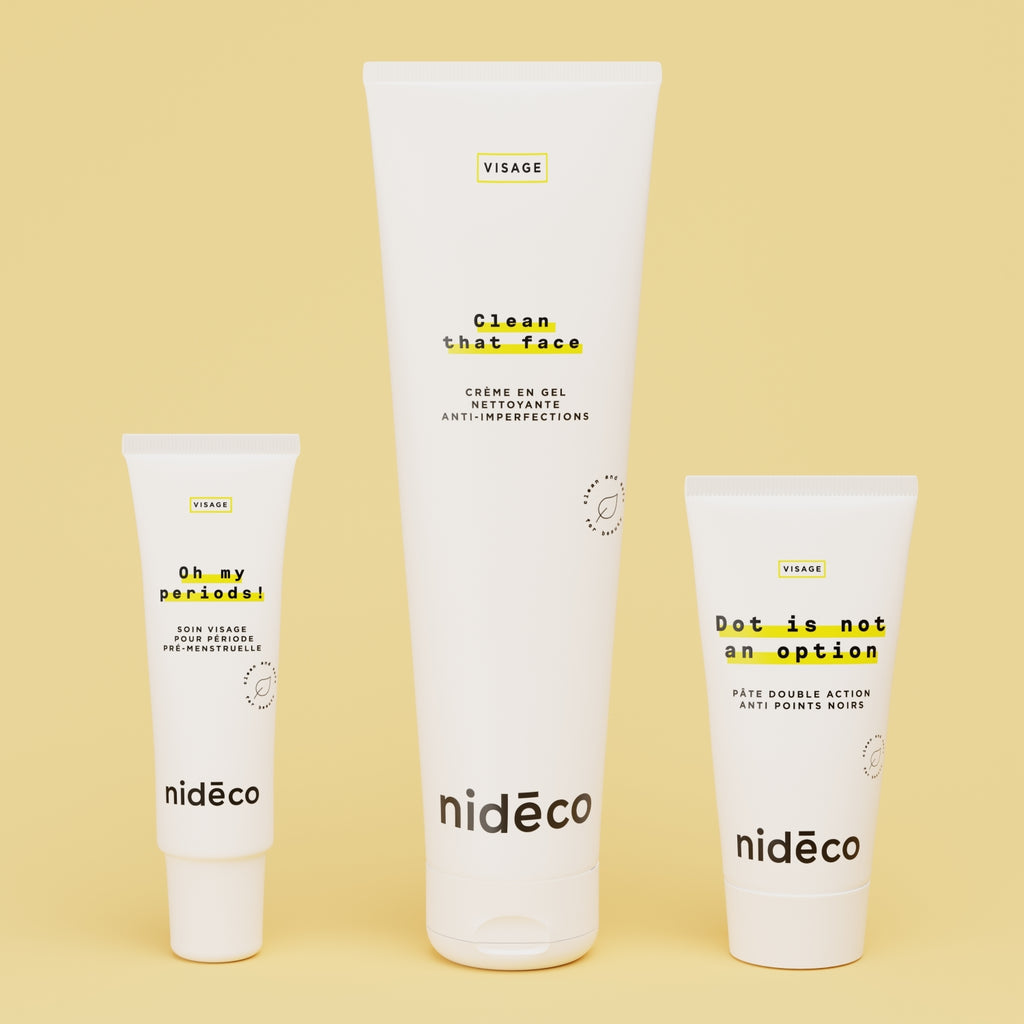
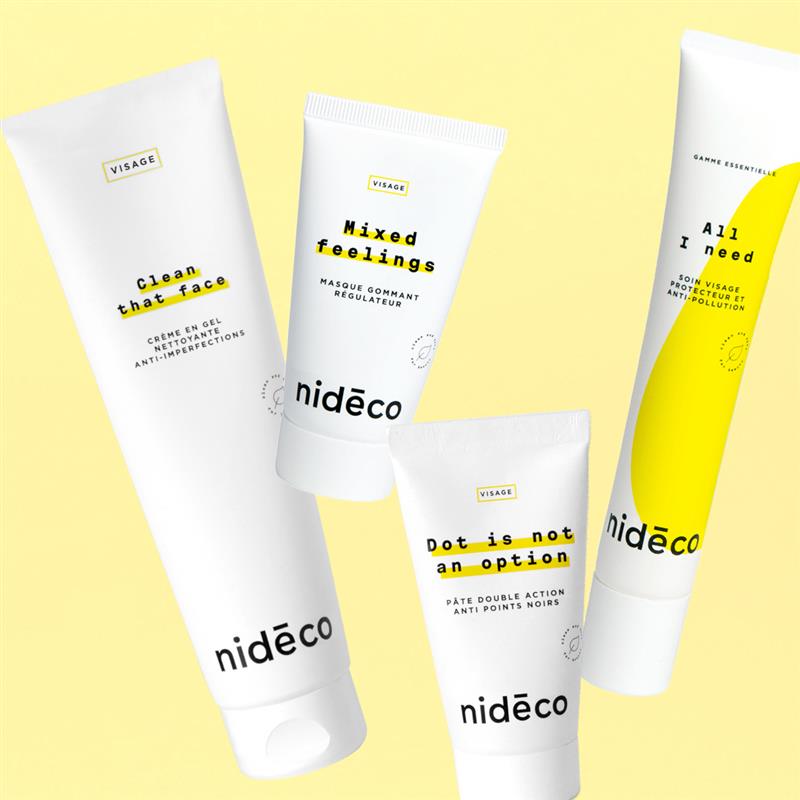
Natural solutions: Mixed Feelings and Dot is not an option
For a more natural approach, you can also opt for gentle, skin-friendly products. Mixed Feelings and Dot is not an option are two products perfectly suited to caring for your skin while reducing keratosis pilaris. 😍
- Mixed Feelings This gentle exfoliating mask illuminates and smoothes the skin. It's ideal for weekly use, especially if you're looking for a gentle but effective exfoliating effect.
- Dot is not an option Dot is not an option: This anti-blackhead treatment is designed to unclog pores and reduce small imperfections. Its gentle formula is perfect for application to areas where strawberry skin is visible.
Prevention and good habits
To prevent the appearance or worsening of keratosis pilaris, a few simple steps simple gestures can make all the difference:
- Moisturize your skin regularly A well-moisturized skin is less likely to develop keratosis pilaris.
- Protect yourself from the sun The sun can dry out the skin and aggravate the symptoms of keratosis.
- Take lukewarm showers Hot water can dry out the skin and increase keratosis.
When should you see a dermatologist?
In some cases, strawberry skin can be resistant to resistant to home treatments. If symptoms persist despite a regular skin care routine, or if they worsen, it may be wise to consult a dermatologist 🧑⚕️. He or she can prescribe more targeted treatments, such as creams containing benzoyl peroxide or powerful powerful retinoidsor even suggest laser to treat severe keratosis pilaris.