

What natural remedy for pimples on the buttocks actually works?
Looking for a natural remedy for pimples on the buttocks is a wise move. The area is sensitive, often irritated by friction, and harsh treatments do more harm than good. But you still need to be selective. Three or four ingredients...

Looking for a natural remedy for pimples on the buttocks is a sensible approach. The area is sensitive, often irritated by friction, and harsh treatments do more harm than good there. Still, you have to be selective.
Three or four ingredients actually deliver on their promises, and they aren't the most spectacular ones. The rest—from baking soda to coconut oil—make things worse. On a daily basis, it's a natural, purifying body care product that does the real, deep-cleansing work. And a natural remedy never treats an infection: that's the limitation you need to be aware of before you start.
Key Takeaways
- What works: aloe vera gel, tea tree essential oil (always diluted), a gentle sugar scrub, a cool compress, a lukewarm shower, and thorough drying.
- Things that cause damage: baking soda, coconut oil, apple cider vinegar, lemon, and antiseptic soap used daily.
- Natural remedies are effective for irritation and general care, but never for an established infection.
- Consistency matters more than the ingredients: wait two to three weeks before judging.
- Pain, pus, fever, or pimples that last longer than a month: see a doctor.
What a natural remedy can do—and what it can't
On the buttocks, most pimples are caused by inflammation of the hair follicle, which is exacerbated by friction from tight clothing, heat, and sweat. They appear where the fabric presses against the skin.
A well-chosen natural remedy soothes redness, reduces irritation, helps the skin shed dead cells, and supports cell renewal. That's already a lot, and it's enough in most cases.
On the other hand, no natural ingredient can cure an established bacterial infection. A red, hot, and painful boil, a weeping sore, a fever—these are medical conditions, not cosmetic issues. Natural remedies can help before and after, but not during.
A helpful note: Not all bumps on the buttocks are pimples. Small, rough bumps—without redness or pain—that tend to reappear mainly in the winter and can also be found on the backs of the arms are more likely to be keratosis pilaris. It’s treated differently, and scrubbing too hard can make it worse.
Natural Remedies That Really Work
Aloe vera gel
Soothing and lightly moisturizing, it relieves redness and discomfort without clogging pores. It’s the first thing to reach for when your skin is irritated from shaving, exercise, or an ingrown hair. Apply undiluted to the affected area and let it dry.
Tea tree essential oil, always diluted
It is the only natural remedy on this list for which clinical data is available. A randomized trial published in 1990 in the Medical Journal of Australia (Bassett, Pannowitz, and Barnetson) compared a 5% tea tree gel with a 5% benzoyl peroxide lotion in 124 patients: both significantly reduced the number of lesions, with tea tree acting more slowly but causing fewer side effects. The study focused on facial acne, not folliculitis of the buttocks, but the antibacterial mechanism is the same.
Directions: Dilute one to two drops in a spoonful of a light vegetable oil, such as jojoba, and apply a small amount directly to the pimple once a day. Never use undiluted, and never apply to an open wound. Do not use on children, infants, or during pregnancy.
The Gentle Fine Sugar Scrub
Used once a week on unbroken skin, it removes dead skin cells and helps prevent clogged pores. Forget about horsehair gloves and coarse salt, which cause micro-tears and worsen inflammation. Exfoliate gently using light, circular motions: see our tips for gently exfoliating the skin on your body.
The Cool Compress
It only takes a few minutes to soothe a little redness or a burning sensation after waxing or a day in tight jeans. It’s a simple, harmless step—and it works.
Jojoba oil
Lightweight, non-comedogenic, and similar to human sebum, it nourishes without clogging pores, unlike most thick oils. It is also the best carrier oil for diluting tea tree oil.
A lukewarm shower and thorough drying
Water at the right temperature, mild soap, and patting dry—paying special attention to the crease between the buttocks. This basic trio does more for the skin on the buttocks than any trendy active ingredient.
Natural Remedies to Avoid
Baking soda. Highly alkaline, it disrupts the skin’s pH balance and breaks down the hydrolipidic film. The result: more reactive skin that’s more prone to breakouts.
Coconut oil. It has a pleasant texture, but it's comedogenic. It clogs pores and promotes the formation of pimples and blackheads—exactly the opposite of the desired effect.
Apple cider vinegar. When applied directly, it is too acidic and causes micro-burns on skin that is already weakened by friction, with no proven effect on the lesions.
Lemon. Photosensitizer. When applied before sun exposure, it causes long-lasting spots.
Antiseptic soap for daily use. It destroys the skin flora that protects the skin. Use only when prescribed by a doctor.
Pure essential oils. None should be applied undiluted, and some can cause allergic reactions even in small doses.
A Natural Daily Routine to Follow
A one-time fix is no substitute for a routine. Four habits maintained over time are better than any single tip.
Clean without scrubbing. Use mild soap or a moisturizing cleansing gel and lukewarm water—once a day and always after exercising. Rubbing will only cause irritation.
Exfoliate once a week. Use a gentle scrub or a mild keratolytic exfoliant. Salicylic acid remains the most effective for clogged pores, while lactic acid is better suited for sensitive skin.
Moisturize every day. Use a body lotion or a light, fluid cream. Supple skin regenerates more effectively and is more resistant to friction. This also helps fade the marks left by past blemishes: the rest of our anti-blemish body care products are designed for that purpose.
Change fabrics. Choose cotton and breathable clothing instead of synthetics, and change clothes after exercising or swimming instead of keeping damp clothing on.
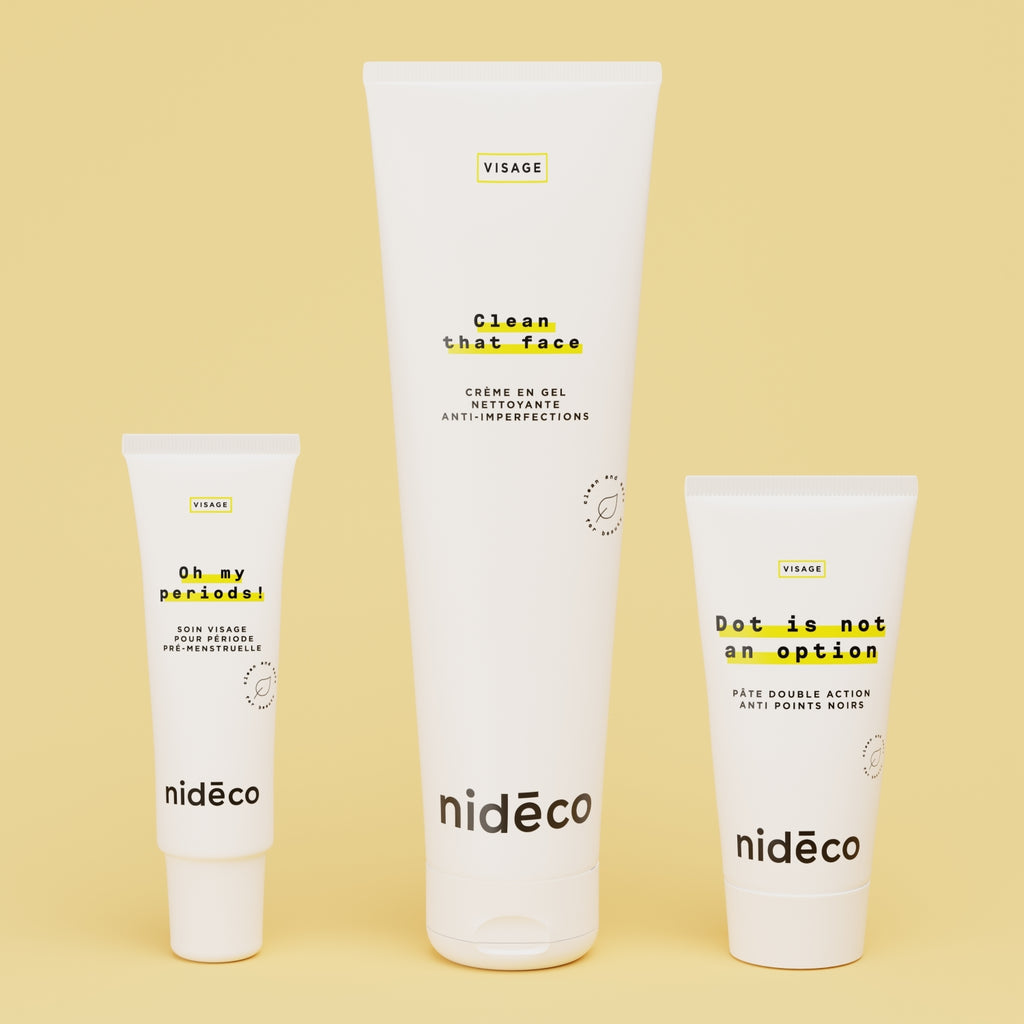
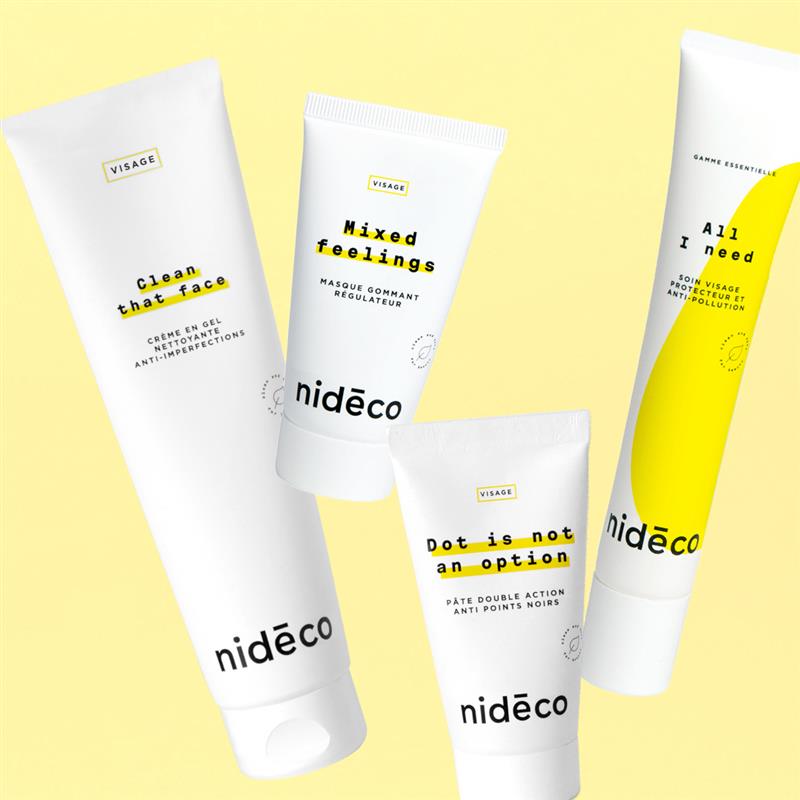
As for the product itself, Fesse Time combines lactic acid, purifying peppermint extract, jojoba, and shea butter in a formula that is 99% naturally derived. Developed in France by a French laboratory, it can be used on the buttocks, back, and arms for children ages 3 and up.
Does diet play a role?
That's the question that always comes up. The available research focuses mainly on facial acne, where a diet high in simple sugars and dairy products seems to play a role in some people.
For body acne, particularly follicular acne, the link has not been established. The primary cause remains mechanical: friction, heat, and maceration. A balanced diet benefits the skin just as it does the rest of the body, but expecting a change in diet to make folliculitis go away often leads to neglecting the steps that actually work.
When Natural Isn't Enough
It is important to see a doctor if the pimple is painful, warm, and swollen; if there is pus or a persistent whitehead; if you have a fever; if the redness spreads; if outbreaks occur repeatedly; or if the pimples persist for more than a month despite following a proper skincare routine.
A boil is a deep bacterial infection of a hair follicle. A warm compress can help drain it, but no natural ingredient can treat the infection itself, and lancing it yourself increases the risk of a secondary infection. The same applies to chronic folliculitis affecting several neighboring follicles or a fungal infection: these conditions require a diagnosis.
The doctor may then prescribe treatments that aren’t natural but are effective in their own right: benzoyl peroxide for inflammatory lesions, antibiotics in case of infection, and antifungals if a yeast infection is the cause. A dermatologist’s consultation is also helpful for adults prone to recurring breakouts and in cases where there is a risk of scarring. Beyond these treatments, our guide explains how to treat pimples on the buttocks based on their cause.
This article is published for informational purposes only. It is not a substitute for medical advice.